
Your weekly project report is due tomorrow. The team’s notes are open, and the report still has only a title. Put three headings in the document now. Use What happened, What we learned, and What happens next.
Give yourself 25 minutes to write under those headings. By the end, you’ll have one rough paragraph and a specific next step for when you reopen the draft. Jump to the 25-minute writing plan.
A 25-minute plan for starting a report draft
- Minutes 0–5. Give each section one bullet. Use your team’s template if you have one. For a project update, jot down what the team did, what it found, and the next action. Keep the notes you need beside the draft.
- Minutes 5–20. Write the paragraph you have evidence for. Pick the bullet with the clearest notes. Write what happened, then explain what the team plans to do about it. When you hit a fact you need to verify, mark it with a short note such as
[check test date]and finish the sentence. - Minutes 20–25. Read once and leave a next step. Check that your paragraph makes sense to someone who missed the meeting. Mark any facts that still need checking, then add one instruction for your next session. Save the draft with the instruction in place.
How a test note becomes a report paragraph
Say your team is testing a new sign-up flow. Your outline might look like this.
- What happened. Five people tried the new sign-up flow.
- What we learned. Two people missed the setup instructions.
- What happens next. Put the instructions on the first screen and test again.
Start with What we learned. Your notes give you both an observation and a next action, so you can turn those bullets into a paragraph.
Two of the five participants missed the setup instructions during the first round of testing. In the next round, we’ll put the instructions on the first screen and see whether more people find them.
The first sentence gives your reader the result you observed. The second tells them what the next test will check. After the next round, you’ll have a place to add the new result.
Leave a note you can act on tomorrow
If the test date is missing, leave yourself a note with both the action and the source. “Find the date for the next round in the testing calendar and add it under What happens next” tells you exactly where to pick up.
If you reached the end of the session with only an outline, mark the strongest bullet and leave an instruction such as “Turn the missed instructions bullet into two sentences.” The same approach works whenever you have to stop halfway through.
Take your first Focus Flight with the report open
Once you’ve chosen the paragraph to draft, use a 25-minute Focus Flight in FlightFlow to give the session a start and an end. Choose Focus Flight, set the duration, and pick a virtual destination.
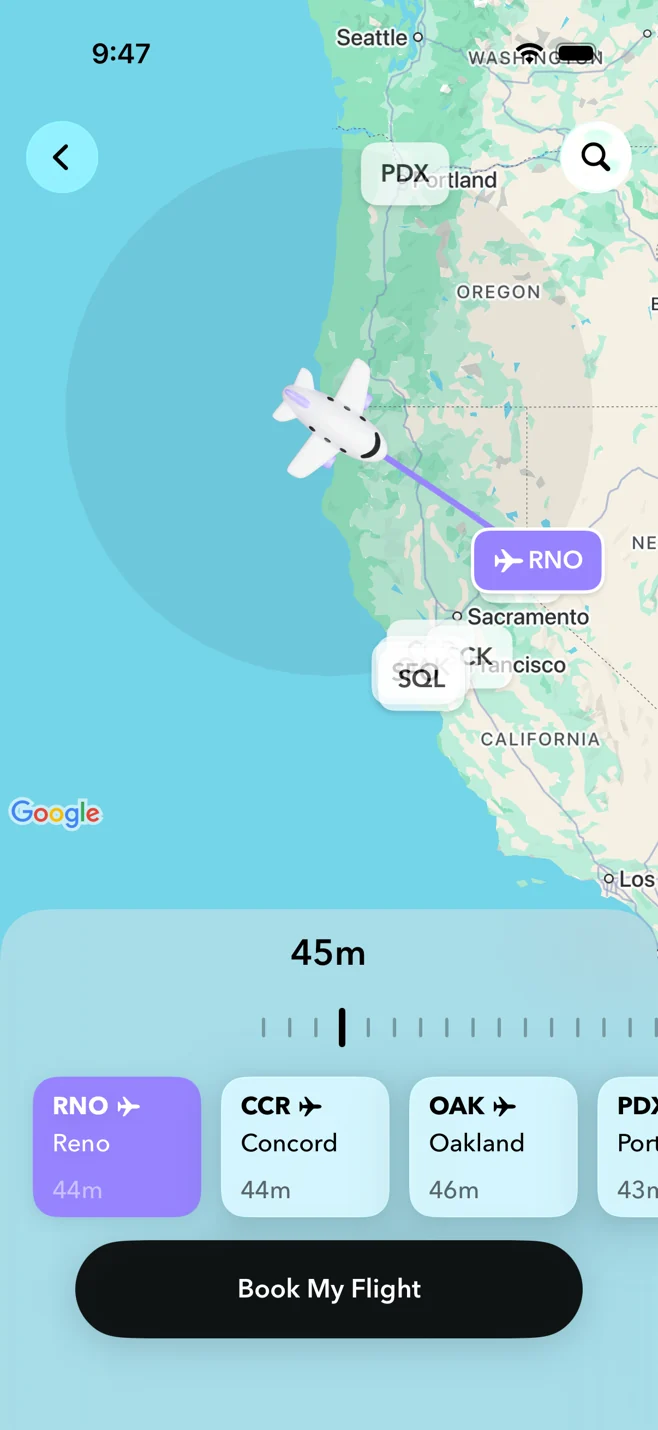
Choose a seat and tear your boarding pass. When the flight takes off, put the first bullet under its heading. Use the time to landing on the route map if you need to check when to switch from writing to reviewing.
As you approach landing, write your next step and save the report. The Flight Logbook records the completed session. Your draft holds the paragraph and the note you’ll use tomorrow.
For your next report, get FlightFlow and set aside one flight for the first paragraph.